The New Rhythm of Retail: How Major Retailers Are Reinventing Their Supply Chains
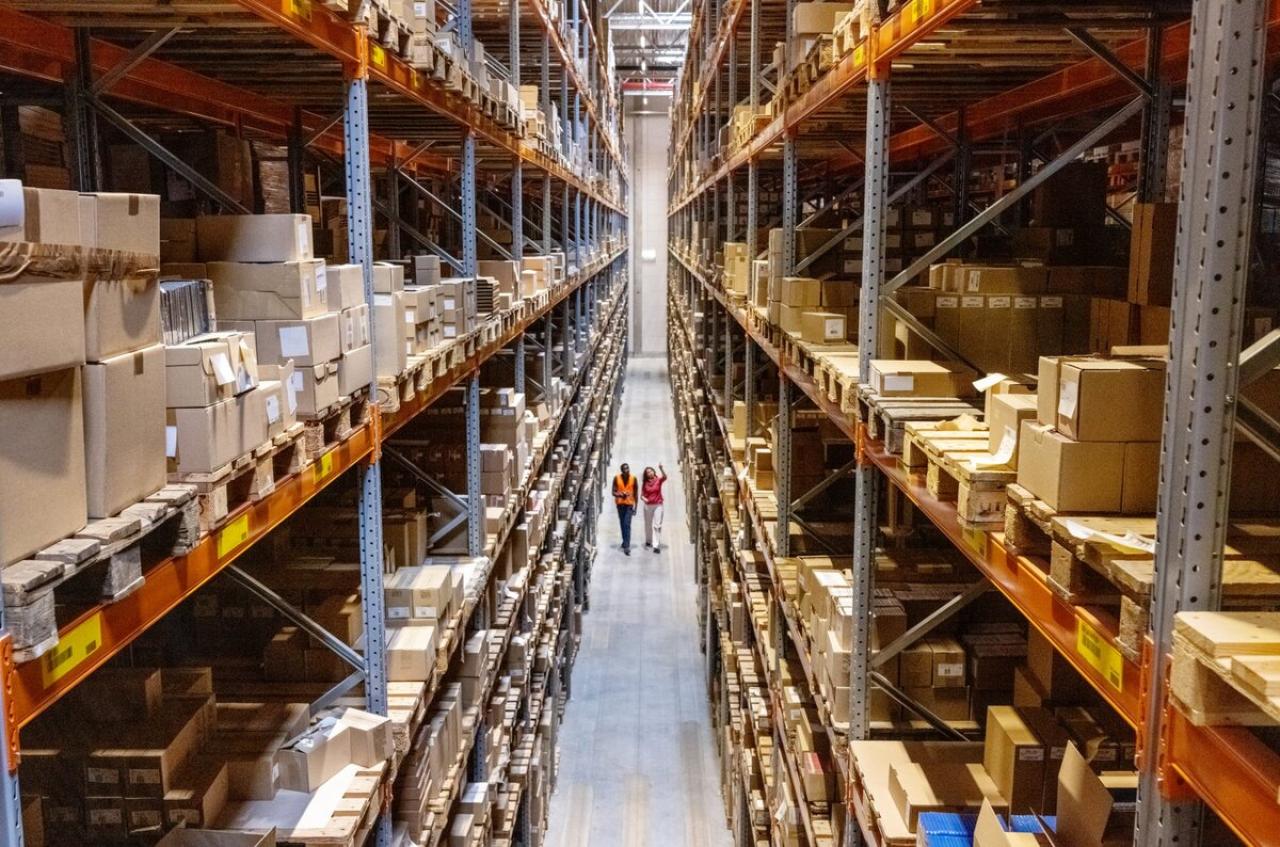
Across the retail landscape, a quiet but transformative shift is underway. Leading retailers are moving beyond the traditional rhythms of replenishment and rethinking how goods flow from suppliers to shelves. What was once a twice-a-week cadence is giving way to high-frequency delivery models that can reach four to five touchpoints weekly, a change that is redefining what “availability” truly means for the end customer.
These initiatives represent more than logistical upgrades. They reflect a fundamental reimagining of the retailer-supplier relationship and the infrastructure that supports it. Rather than relying solely on legacy distribution models, forward-thinking retailers are piloting agile, third-party logistics (3PL) integrations designed to bring products closer to demand, faster and more reliably than ever before.
Operational Excellence as a Foundation
At the core of these supply chain transformations is a commitment to operational precision. Retailers are establishing new vendor agreements, refining item setup processes, and introducing specialized requirements to ensure accuracy from day one. Systems that manage supplier ship points, lead times, and network-wide visibility are being updated and expanded to support the new flow.
These foundational elements, while less visible to the consumer, are the engine behind improved shelf availability. Getting them right means fewer gaps, less waste, and a smoother experience from the loading dock to the shopping aisle. When cross-functional teams align around shared execution goals, the results compound: better in-stock rates, streamlined receiving operations, and more consistent product visibility across key departments.
Data-Driven Inventory and Demand Transparency
One of the most significant enablers of modern supply chain reform is data transparency. Retailers are establishing clear DC inventory targets, often around six days of supply, while simultaneously giving suppliers enhanced visibility into demand signals. When suppliers can see what’s selling and where, they are far better positioned to plan proactively rather than reactively.
This shift toward shared data empowers stronger alignment across the supply chain. Planning cycles become more accurate, replenishment becomes more targeted, and the costly mismatch between supply and demand shrinks. For retailers managing hundreds of thousands of SKUs across sprawling networks, even incremental improvements in forecast accuracy can yield significant gains in both efficiency and customer satisfaction.
Managing Transitions Without Disruption
Transitioning from one distribution model to another is never without risk. Retailers undertaking these transformations are implementing thoughtful strategies to protect inventory continuity, including incremental buffer stock and phased rollouts that allow teams to course-correct before issues become systemic. The goal is not just to reach the end state faster, but to arrive there without service interruptions that erode consumer trust.
For suppliers navigating these transitions alongside their retail partners, preparation is everything. Understanding the new operational requirements, updating internal systems, and engaging early with retail teams can mean the difference between a smooth cutover and a costly disruption.
The Role of Expert Partners in Supply Chain Transformation
What sets high-performing consultancies apart in supporting these efforts is a deep, practical understanding of retail merchandise operations, both from the retailer’s perspective and the supplier’s. The ability to bridge those two viewpoints, grounded in real-world execution experience, is what allows advisory partners to move beyond theory and deliver tangible results.
By prioritizing data-driven decision-making, performance accountability, and genuine collaboration, the best partners equip suppliers to meet evolving retail expectations consistently. The outcome is a more connected, responsive supply chain that reduces the cost to serve while improving service levels, a powerful combination in an era where margins are thin and consumer expectations are high.
The retailers leading this charge are demonstrating that supply chain innovation is not a one-time project but an ongoing discipline. The companies, and their partners, that embrace that mindset will be the ones best positioned to serve customers smarter, faster, and more reliably in the years ahead.